
GLP-1 medications like Ozempic, Wegovy, and Zepbound have changed weight loss for a lot of people in Carmel and Indianapolis. The scale finally moves — sometimes fast. But there is a catch most people don’t hear about at the pharmacy: a meaningful share of the weight you lose on a GLP-1 can be muscle, not fat, if you’re not actively protecting it.
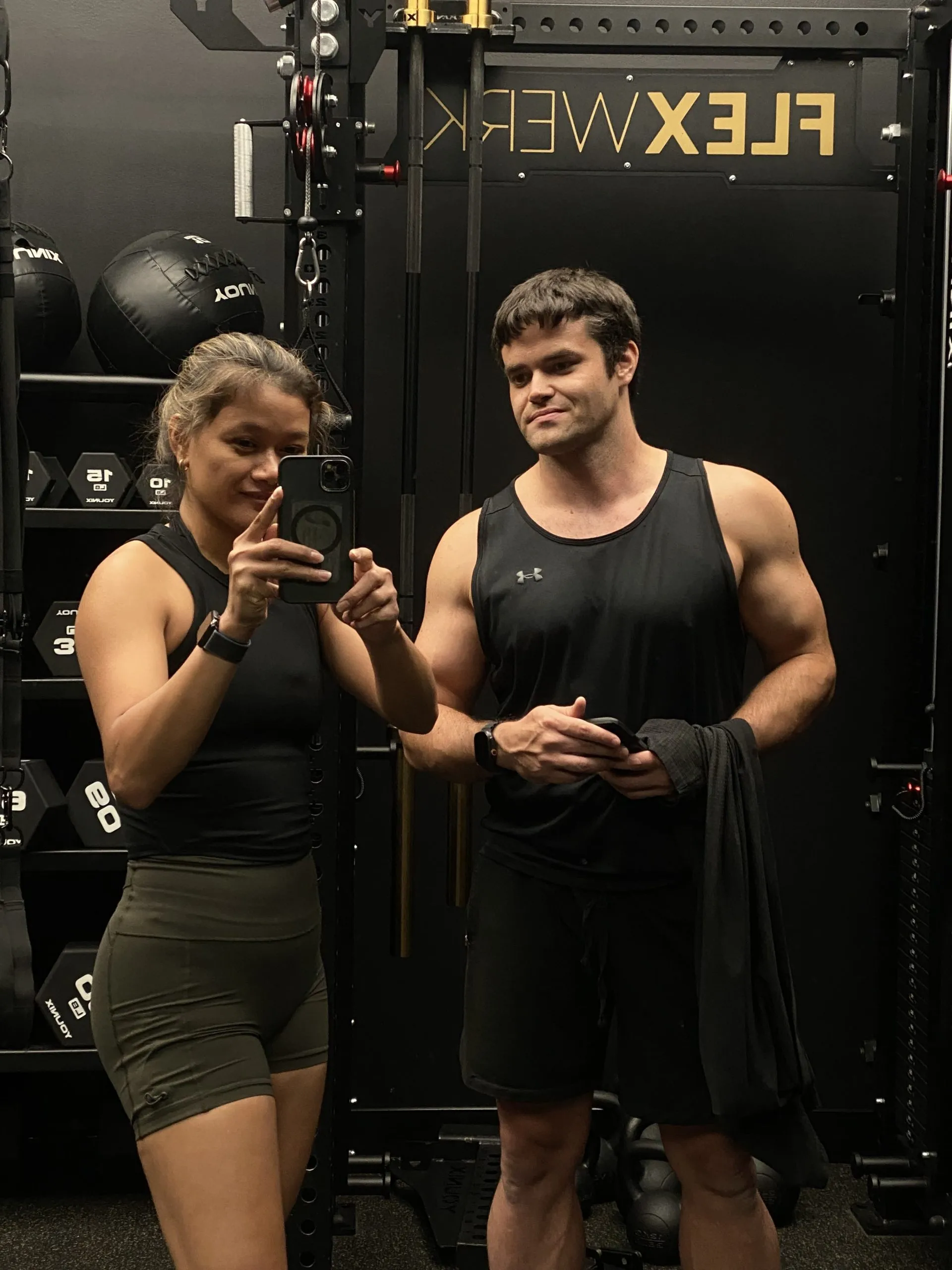
I work with clients on GLP-1 medications at FlexWerk Fitness in Carmel and Indy Performance Authority in downtown Indianapolis, and this is one of the most common conversations we have. Here’s what you need to know.
Why muscle loss on a GLP-1 matters
When you lose weight quickly while eating very little — which is exactly what these medications are designed to make easy — your body doesn’t only burn fat. Studies on rapid weight loss suggest that without resistance training and adequate protein, a significant portion of the loss can come from lean mass. That matters because:
- Muscle is your metabolism. Losing it lowers the number of calories you burn at rest, which makes regain more likely if you ever stop the medication.
- Muscle is your strength and independence. Especially past 40, lean mass is what keeps you moving well, protecting your joints, and staying capable.
- “Skinny” isn’t the goal — strong and lean is. Most people want to look toned when the weight comes off, and that look is muscle.
The two best-supported countermeasures
The good news: protecting your muscle while a GLP-1 does its work is straightforward. It comes down to two things, done consistently:
1. Resistance training, 2-3 times per week
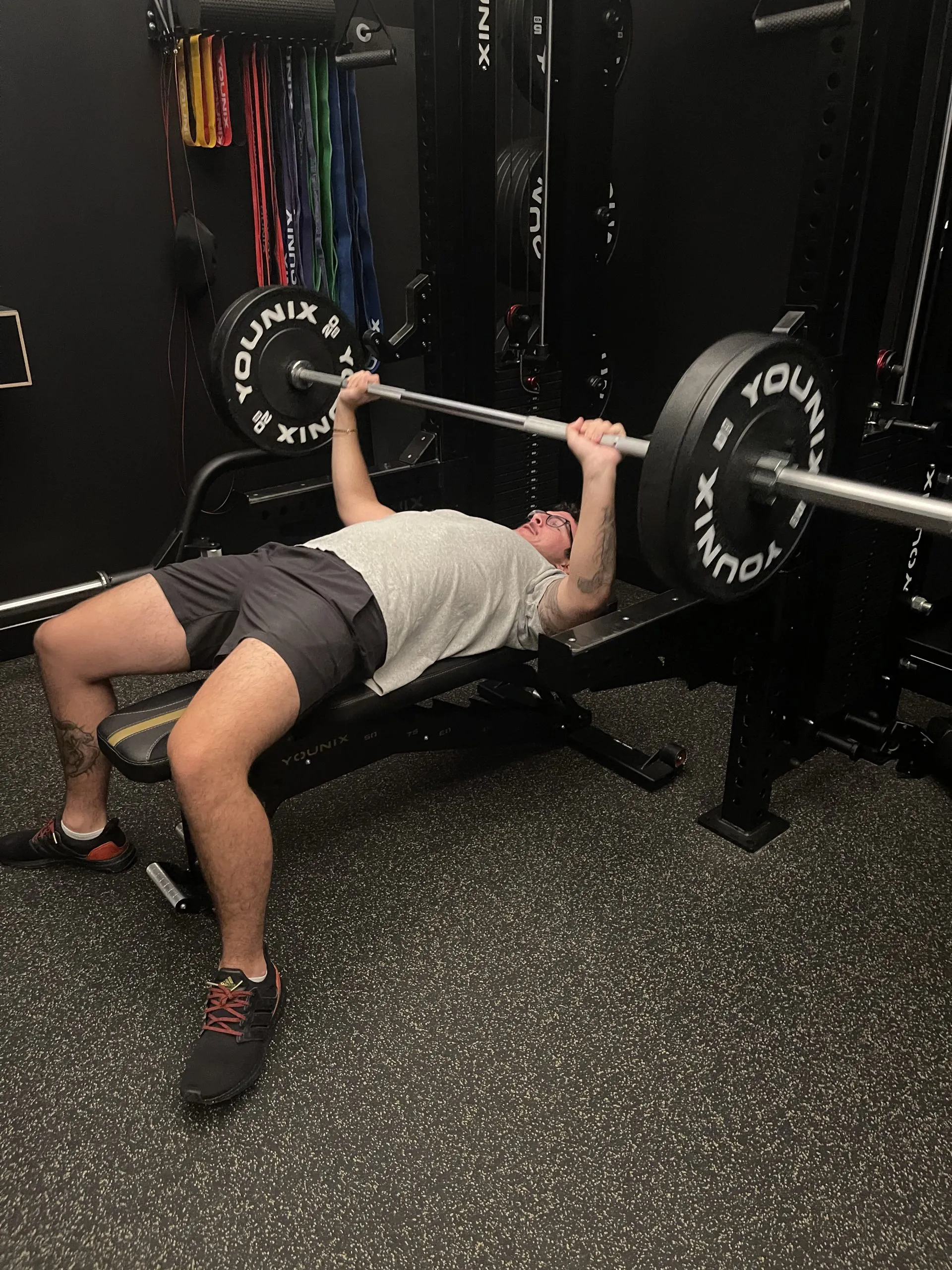
Strength training sends your body the signal that muscle is being used and needs to be kept. It doesn’t take marathon sessions — two to three focused, well-programmed workouts a week is enough for most people. If you’re new to lifting, this is exactly what a structured program is for: safe progressions, proper form, and steady weekly progress you can see.
2. Adequate protein — even when you’re not hungry
GLP-1s suppress appetite, and protein is usually the first thing to fall off the plate. That’s exactly backwards for keeping muscle. We work together on practical ways to hit your protein target when your appetite is small: prioritizing protein first at meals, easy high-protein options, and realistic targets based on your body and goals.
What training on a GLP-1 looks like with me
Every client is different, but the structure is similar: we start with an assessment of where you are today, build a strength program around your schedule and any injuries or limitations, and set a protein plan that works with your reduced appetite. I coordinate with what your prescribing provider recommends — this is training support, not medical advice.
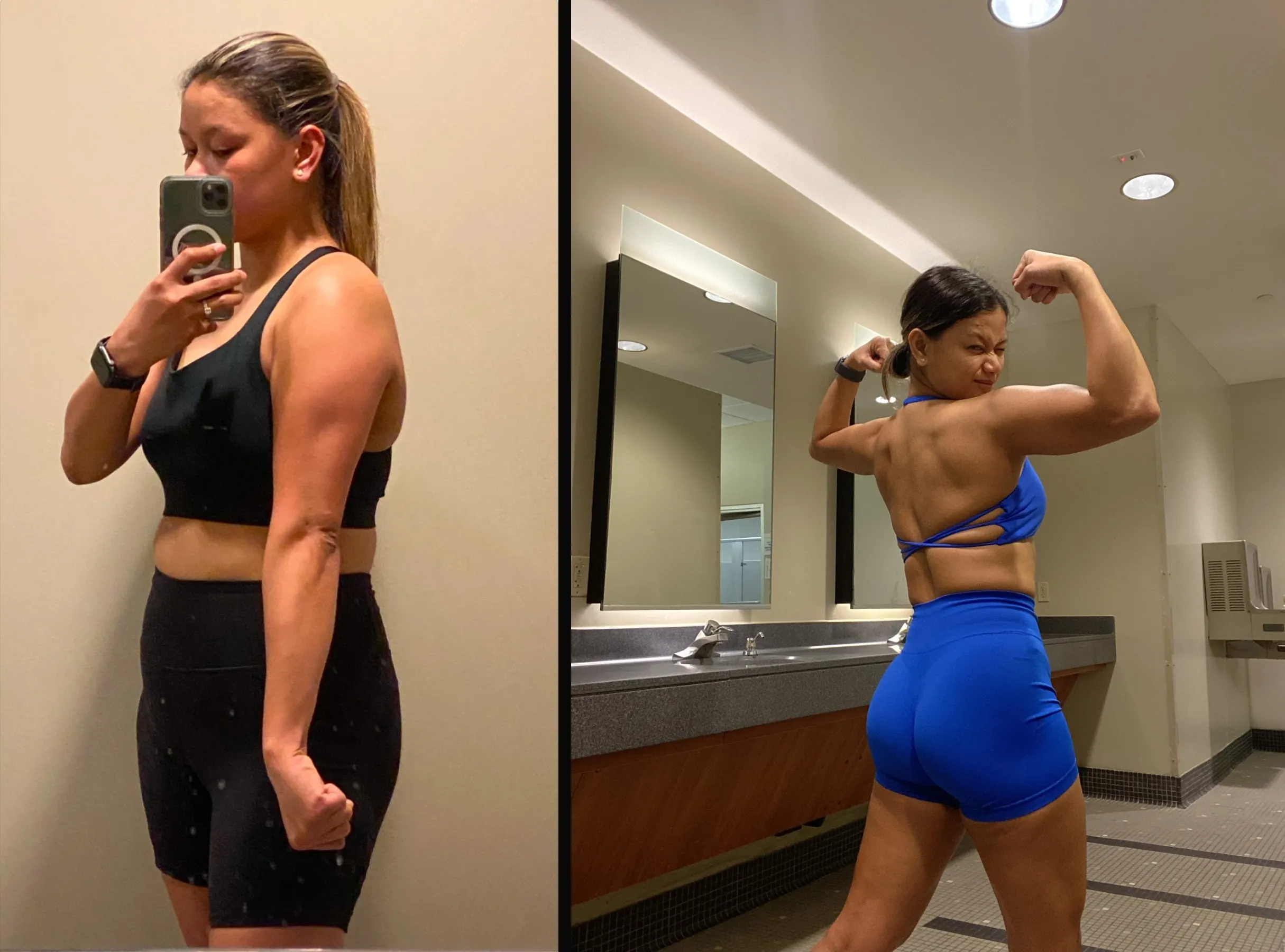
The result we’re after: when you reach your goal weight, the weight you lost is the weight you actually wanted to lose — fat, not the muscle that keeps you strong, capable, and burning calories.
Ready to protect your progress?
Want help with this? I work one-on-one with clients on GLP-1 medications in Carmel and Indianapolis. Here’s how I train GLP-1 clients.
If you’re on a GLP-1 (or considering one) and want to make sure the weight you lose is fat and not muscle, book a free consultation. I train clients at FlexWerk Fitness in Carmel, Indy Performance Authority in downtown Indianapolis, in your home, or online. You can also read what to expect from your first session or check the FAQ for common questions.
Sources
These are the studies and position statements behind the main claims on this page. They’re general research, not advice for your situation.
- Wilding JPH, et al. (2021). Once-weekly semaglutide in adults with overweight or obesity (STEP 1 trial). New England Journal of Medicine. doi.org/10.1056/NEJMoa2032183
- Neeland IJ, Linge J, Birkenfeld AL. (2024). Changes in lean body mass with glucagon-like peptide-1-based therapies and mitigation strategies. Diabetes, Obesity and Metabolism. doi.org/10.1111/dom.15728
- Morton RW, et al. (2018). A systematic review, meta-analysis and meta-regression of the effect of protein supplementation on resistance training-induced gains in muscle mass and strength in healthy adults. British Journal of Sports Medicine. doi.org/10.1136/bjsports-2017-097608
- American College of Sports Medicine. (2009). Progression models in resistance training for healthy adults (position stand). Medicine & Science in Sports & Exercise. doi.org/10.1249/MSS.0b013e3181915670